Search This Blog

Tuesday, October 21, 2014

'The Last Supper' BD and DVD: The Art of War

Product Details
An especially notable element of the exceptional 2014 Chinese historical drama "The Last Supper " is that it is a beautifully filmed true epic in an era in which such movies (which were once a mainstream of the film industry) are few and far between. Watching (and hearing) the visually stunning and grand "Supper" in  Blu-ray alone justifies holdouts upgrading to this format. The good news for folks who lack this technology is that Random Media and Cinedigm have also released the film on DVD and VOD.

This grand depiction of Liu Bang, who is the first emperor of the Han Dynasty in China, reliving his past glories and not-so-proud moments in the final minutes of his live evokes terrific thoughts of classic Shakespearean drama. One can particularly see the Scottish play and "Othello" in the background.

Having these recollections lead to flashbacks illustrating these moments in the life of a man who rises from obscurity to create and lead an empire for decades prompts memories of the all-time classic film "Citizen Kane." It is nice as well that the former equals (if not surpasses) the latter regarding the artistry in telling its story despite lacking much of the technical cleverness of "Kane."

The following clip, courtesy of YouTube, of the trailer for "Supper" provides an awesome sense of the epicness and Chinese-style drama in the film. The selected snippets show that the cast of 1,000s in front of the camera and the lesser army behind all play their roles very well.


The intriguing origin story in "Supper" is that Liu uses all of his exceptional skills (and arguably undeserved reputation) to convince a literal power broker to back a campaign that is very important to Liu. As the promotional materials for "Supper" share, forming this alliance leads to a series of  fortunate and not-so-fortunate events.

The Shakespearen incidents that unfold include interrelated real and imagined betrayals, compelling variations on self-fulfilling prophecies, and Liu finding himself facing some of the same issues as (King, not Norman) Lear. A nice thing regarding these still-relevant occurrences is that they support the well-accepted theory that the works of Shakespeare are universal and timeless.

Another special thing regarding "Supper" is that it is a film regarding which writing much about the specific developments ruins the pleasure of discovering them through the lens of the director. It is promised that you will laugh, may cry, and will be entertained from the first scene to the last.

Anyone with questions or comments regarding "Supper" is strongly encouraged to email me; you can also connect on Twitter via @tvdvdguy.



Monday, October 20, 2014

'The Lusty Men' DVD: Old West Meets 'Peyton Place'


Lusty Men, The
The Warner Archive DVD release of "The Lusty Men" is one of at least two in a series of Archive releases that combine the Western genre with another type of film as expertly as the Mel Brooks film "Blazing Saddles" and the '60s sitcom "F Troop" blend oaters and comedy. The other Archive release of this nature is the Western-juvenile delinquent cautionary tale hybrid "The Young Guns," which Unreal TV will review in soon.

The following clip, courtesy of YouTube, of a scene from "Men" PERFECTLY shows the combination of the hilariously fun-loving and HIGHLY sexist '50s and the more classic Western elements in the film.


The titular "Men" are broken-and-bruised former rodeo star Jeff McCloud and soon-to-be-up-and-coming darling of the rodeo circuit Wes Merritt. Veteran tough guy Robert Mitchum, who also stars in the recently released and reviewed Archive Blu-ray edition of "Out of the Past" wonderfully plays McCloud. The very prolific Arthur Kennedy does an equally good job as the ambitious and eager newly born star Wes. The always exceptional Susan Hayward provides one of her best performances as Wes' loving but highly concerned wife Louise, who sees the disgraced Jeff as a cautionary tale for Wes.

"Men" opens with "saddle tramp" Jeff wandering onto the spread that his family once owned and quickly befriending the Merritts. Jeff putting the prospect of Wes earning enough on the rodeo circuit for the latter to purchase said homestead soon leads to Jeff teaching Wes how to compete in said competitions.

Wes showing a natural aptitude for rodeo events leads to relative fame and fortune that in turn leads to the admiration of a lusty woman. For her part, Louise comes along to chaperone in an effort to minimize the related physical and emotional damage.

The aforementioned mix of genres relates to the soap opera style drama regarding the aforementioned impact of Wes' new vocation on Louise and the similar effect of rodeoing on the women of the men against whom Wes competes. This includes a notable scene in which one such rodeo widow dramatically disrupts a party.

The degree to which Louise will stand by (and fight for) her man and to which she and Jeff will bond further add a nice "Peyton Place" vibe to this film. They did not make many like these and do not make them anymore.

The facts that it is rare that any film has three leads who have the chemistry that Hayward, Mitchum, and Kennedy share and that blends two vastly different genres so well while also perfetly combining drama and comedy states a great deal regarding the exceptional quality of "Men."

Anyone with questions or comments regarding "Men" is welcome to email me; you can also connect on Twitter via @tvdvdguy.


Sunday, October 19, 2014

'For a Woman' DVD: The French Family Connection

Product Details
The 2013 French drama "For A Woman," which is the latest entry in the fantabulous Film of the Month Club  that uber-fantastic foreign film distributor Film Movement operates further proves that Movement can do no wrong. Like the plethora of other Movement films from virtually every country, the themes in "Woman" are universal.

Both "Woman" and its companion October 2014 Club title "Cannibal", which is exceptional even by Movement standards, are available on DVD to the general viewing public on October 21, 2014. One common element of both films is that a tailor is a central character in each.

As an aside, Unreal TV reviewed "Cannibal" when it hit theaters earlier this year.

The following clip, courtesy of YouTube, of the trailer for "Woman" includes spoilers in conveying the spirit and themes of this terrific film. This is particularly true regarding the more dramatic elements of the stories that "Woman" weaves.


"Woman" centers around the efforts in the 1980s of 30-something filmmaker Anne to piece together information regarding the life of her parents Lena and Michel in post-WWII France. This research is mostly depicted in the form of well-presented flashbacks from the mid-40s.

Providing many details regarding the compelling aspects of the less-than-ideal marriage of our central characters would ruin the impact of each well-presented revelation. Suffice it to say that the union is more "Who's Afraid of Virginia Woolf" than "Sleepless in Seattle."

Complications continue when Michel's long-lost younger brother Jean literally shows up on the post-war doorstep of the not-so-happy couple under circumstances that prompt well-founded suspicions.

This arrival ramps up both the marital conflicts and the larger intrigue in which Michel is involved and drags Lena. A wonderful aspect of all this is that much of it is very specific to that period in France.

Meanwhile back in the '80s, Anne is becoming increasingly involved with the fascinating life of her parents 40 years early while contending with the strained relationships with her father and her sister that add drama to the lives of many of us.

Additionally awesomeness comes in the form of showing those of us who think of our mothers as boring and mainstream individuals both that some of them have adventure in their past and that they do not always marry for assumed reasons. In other words, moms are people too.

Award-winning writer/director Diane Kurys nicely ties all of this together and keeps the action going until the final moments. She offers the additional bonus of giving "Woman" a title that delightfully has multiple meanings.

Movement deserves special credit as well for making a PERFECT selection for the bonus short film that accompanies every Club selection. The action in the incredibly fantastical and fantastic 20-minute French movie "Le Ballon de Rouge" starts in a French bar in November 1963 and weaves a modern-day folktale that spans several decades with scenes that seem very true to each depicted era. Further, the final scenes and literally last frame are perfect.

Anyone with questions or comments regarding "Woman" is strongly encouraged to email me. You can also connect on Twitter via @tvdvdguy.


Saturday, October 18, 2014

'Blackbird' DVD/VOD: A Very Kafka After School Special

Product Details
Philadelphia-based indie film distributor Breaking Glass Pictures once again extends its scope beyond quality LGBT-themed DVD releases in making the good 2012 Canadian drama "Blackbird" available on DVD and VOD starting October 21, 2014. The low-key tone and performances in this film about an odd and troubled (but harmless) teen boy getting horribly hung up in the justice system is very appropriate for the modern versions of this type of film.

The following clip, courtesy of YouTube, of the trailer for "Blackbird" overstates the drama in the film but nicely offers a sense of the themes. As our hero states in an included scene, he is "stupid, not dangerous."


The "wacky misunderstanding" that starts outcast Canadian high schooler Sean Randall, played by Connor Jessup of the TNT scifi drama "Falling Skies," on an After School Special style Kafkaesque nightmare is that he writes and posts a violent story online after the hockey jocks ramp up their animosity toward him several notches. The facts that Sean's father keeps loaded guns in their home and that Sean innocently uploads a video of said parental figure gutting a deer does not help matters.

Typical post Columbine and 911 paranoia leads to a dramatic arrest of Sean and ensuing not-so-fair judicial proceedings that lead to our quiet and quirky hero being incarcerated in a juvenile detention facility that houses young offenders together with little regard for the nature of their offense. Having someone who is locked up for joy riding sharing a cafeteria table with a lad who is serving time for murder illustrates the indiscriminate manner in which the portrayed judicial system treats a boy who finds himself facing hard time.

One spoiler is that the jailhouse brutality that Sean experiences at the hands of the more hardened guests of the queen does not involve becoming the girlfriend of one of them. However, these toughs clearly show their new victim who wears the pants in their community.

"Blackbird" also touches on other interesting aspects regarding the court of public opinion passing judgment merely based on an accusation of wrongdoing. Sean's father accurately comments on this in telling former goth Sean that the younger Randall learns the consequences of not blending in.

As mentioned above, the film conveys the above in a perfectly fine manner. A large part of this relates to Jessup doing his best work in scenes that require that being quiet and/or naive.

A more important aspect of the film is that it shows the harm from rashly acting out of fear in this era in which what often turns out to be a random scribbling on the wall in a boys' room in a high school can prompt a school-wide evacuation. Taking this drastic step in a good faith effort to avoid a potential horrific tragedy without apparently conducting any form of investigation seems akin to treating the presence of a peanut butter sandwich on school grounds as seriously as discovering a cache of heroin. 

As an aside, one general stated principle of the United States legal system is that a sufficiently threatening overt act is required before the po-po can slap on the bracelets and drag someone downtown in the middle of the night. "Blackbird" and numerous real-life examples show that the legal system has largely abandoned that tenet.

Bringing a weapon to school or writing a plan to create mayhem is one thing; a one-time non-violent expression of intense frustration should generate a far different response.

On a coincidentally topical note, it seems that the threat of Ebola further spreading in the United States may lead to every poor sap who coughs in the grocery store being locked up in an isolation ward for a week.

For the record, your (often humble) reviewer does not harbor any ill will regarding any high school student or teacher and is in good health. 


Anyone who has questions or (civil) comments regarding "Blackbird" is welcome to email me; you can also connect on Twitter via @tvdvdguy.


Friday, October 17, 2014

'Mona Lisa is Missing:' "da Vinci Code" Level Investigation into Little-Known Art Heist

Product Details

[EDITOR'S NOTE: This review is the first of two postings regarding "Mona Lisa." Unreal TV will run an article on a terrific discussion with "Mona Lisa" director Joe Medeiros during the weekend of October 25, 2014.]

The documentary "Mona Lisa is Missing," which  Virgil Films & Entertainment is releasing on DVD on VOD on October 21 2014, wonderfully evokes thoughts of very entertaining and informative documentaries along the lines of "The Wild Parrots of Telegraph Hill" and "Super Size Me" in an era in which many members of this genre seem like reality shows that paint with far too broad of a brush (of course pun intended) and merely present endless parades of talking heads. The fact that former Leno era "Tonight Show" head writer  Joe Medeiros pulls off the tricky trifecta of successfully writing, directing, and hosting the film makes it that much more special.

Aside from far surpassing many recent "documentaries" in artistic quality, "Mona Lisa" is notable for presenting its information in a very unbiased manner. Medeiros never hesitates to divulge the good, the bad, or the ugly regarding a topic that the audience can see is very close to his heart even without knowing that the event has interested Medeiros for years.

Recognition of this exceptional feat includes the award for Best Documentary at the Amelia Island Film Festival and for Best Historical Documentary at the San Antonio Film Festival.

The following clip, courtesy of YouTube, of the trailer for "Mona Lisa" nicely conveys the themes and style of the film. It also shows why the documentary deserves at least a large percentage of the acclaim that the painting receives.


The underlying event in "Mona Lisa" is a genuinely daring (if not unduly sophisticated) theft of the titular masterpiece. Although "whodunit"  and "howdunit" are known, Medeiros turns his focus on "whydunit."

Medeiros uses a terrific blend of archival footage and images, animation, and talking heads to entertainingly depict the unpleasant life of Italian laborer Vincenzo Peruggia in Paris and the events while there that seemingly play a role regarding the aforementioned theft. The study of this era also discusses the fate of the titular painting in the interval in which it goes wandering.

Medeiros appropriately and expertly extends his investigation into the motive behind the theft. Peruggia's (now elderly) daughter and many other people have believed that a combination of national pride and arguably justified ill will regarding Parisians are behind the heist. The aforementioned Celestina Peruggia and her children Silvio and Graziella are very active (and charming) participants in this film. Other contributors include high-level Louvre officials.

The search of 1,000s of pages of a HUGE variety of documents that Medeiros and his intrepid team of researchers unearth provided evidence that less lofty reasons exist for the heist, which "Mona Lisa" depicts in a manner that strikes a perfect balance between being comprehensive and prompting glances at the time.

As mentioned above, Medeiros never hesitates to present evidence that does not support the theory that Peruggia is anything other than a proud son of Italy. This information includes evidence that Peruggia is not even the perpetrator of the central offense.

The family elements of "Mona Lisa" greatly add to the fun. This aspect extends beyond the aforementioned terrific involvement of the Peruggia familia to the Medeiros family getting into the act in amusingly unexpected ways.

The plethora of  DVD release bonus features include a dozen shorts, such as a film on a "Swiss Mona Lisa," deleted scenes, and an alternate ending to the documentary.

All of this amounts to a film that easily could be titled "Everything that You Ever Wanted to Know About the Theft of the Mona Lisa but Were Afraid to Ask." The answers to any remaining questions might be found on the website for the film.

Anyone with questions or comments regarding "Mona Lisa" is strongly encouraged either to email me or connect on Twitter via @tvdvdguy.


Thursday, October 16, 2014

'Loopy De Loop: The Complete Collection' DVD: Rare Vintage Hanna-Barbera Animated Shorts

Loopy De Loop: The Animated Series
One uber-awesome thing about the 48-cartoon 2-disc DVD set of the Warner Archive release "Loopy De Loop: The Complete Collection" is that it validates the theory that Archive is the "magic" Easter basket of DVD releases regarding vintage Hanna-Barbera (HB) cartoons. Just as you always find another jelly bean or chocolate egg nestled in the plastic grass of an Easter basket after thinking that you ate them all, Archive digs up another HB release after you think that that company has exhausted that supply.

Another awesome aspect of "Loopy" is that HB voice genius Daws Butler, who can be considered the Mel Blanc of that studio, provides the voice of the titular French-Canadian wolf. Butlers' long list of classic HB characters includes Yogi Bear, Huckleberry Hound, and the even more sexually ambiguous Snagglepuss.

The history of "Loopy" is that it is a series of theatrical shorts that HB produced from 1959 to 1965; HB re-released them as a syndicated television series in 1969.

The concept of "Loopy" is that the titular lupine is a self-declared "good wolf" whose attributes include kindness and charm. His motives behind his good deeds extend beyond wanting to help an innocent to include a desire to demonstrate that not every wolf is evil.

The following preview clip, jointly courtesy of Archive and YouTube, of "Loopy" provides a sense of the theme of this shoulda-been-a-classic. The sheep lust and the elements of "The Flintstones" regarding the overall look, looping (no pun intended) backgrounds, and music of this clip make it especially fun.

The wonderfully cynical message that underlies every roughly seven-minute "Loopy" presentation is that people are too narrow-minded and prejudicial to accept the goodness in individuals regarding whom they have a bias. "Loopy" demonstrates this theme both in having a character either panic or soundly thrash our hero on his merely offering to help or administering a beat down after such assistance is rendered and said "rescued" individual learns that a wolf is his or her savior. (For the record, the roughly 12 cartoons watched for this review do not have Loopy donning sheep's clothing.)

The aforementioned cynicism is especially prevalent in "Life With Loopy." This one has Loopy masquerading as a dog to be a pet for a single man. Despite Loopy (still in that guise) doing all the household chores and thwarting a burglary, his new master violently turns on him on Loopy "coming out."

Many other episodes have Loopy interacting with classic fairy tale characters, including Little Bo Peep and Hansel and Gretel, in an effort to dispel the bad images of wolves. These stories are especially cute.

An episode in which Loopy and Prince Charming compete to be Cinderella's hero is both particularly typical of HB fare and has one of the best lines in any "Loopy" cartoon. The humor regarding this relates to Loopy commenting that Charming is hardly in any position to derogatorily refer to anyone else as a wolf.

An episode in which Loopy tries to balance the competing needs of both Snow White and the evil queen has similar good humor. Needless to say, Loopy does not get another bite of the poison apple.

The fact that "Loopy" is at least as good, if not better than better known HB fare (such as the annoying Yakky Doodle shorts) makes one wonder why this series did not do better. Loopy would have been right at home with the do-gooders of "Yogi's Gang" and would have strongly contributed to the "Yogi Yahooeys" on "Laff-a-Lypmics." A possible explanation is that Hanna and Barbera share the same prejudice as those who clobber Loopy on screen.

As a bonus, Unreal TV is sharing the following fall-on-the-floor hilarious YouTube video of the "Robot Chicken" short that combines "Lympics"  with the film "Munich."


Anyone with questions or comments regarding "Loopy" is welcome to email me; you can also connect on Twitter via @tvdvdguy.


Wednesday, October 15, 2014

'Eternity: The Movie' Theatrical Release: That '80s Satirical Version of Hall and Oates

Image result for eternity the movie
The highly entertaining musical-comedy "Eternity: The Movie," which is initially being theatrically released in New York City on October 17 2014 and Los Angeles a week later in advance of a nationwide roll out has the satisfying vibe of a successful film based on SNL characters.

The following clip, courtesy of YouTube, of the trailer for "Eternity" offers a good look at the '80s style and the homoerotic humor of the film.


Barrett Crake steals the show as Daryl Hallesque naive dim-witted farm boy Todd Lucas, who comes to Los Angeles with dreams of musical stardom. His rapid meeting with John Oatesesque mcjob co-worker B.J. Fairchild, played by Myko Olivier, almost as quickly leads to the boys forming a duo that achieves proportionally overnight success.

Crake's hair, clothes, youthful exuberance, and perpetually befuddled (and highly effeminate)  expressions wonderfully bring back the '80s. Further, Olivier has the hustler look and attitude from the era down pat.

Also in typical '80s film style, the boys experience conflict regarding fairly literal girl-next-door who shares the affection of Todd but has an attitude that is closer to that of B.J.

The triangle, predictable professional challenges, and the fickle nature of the music business provide fodder for decent to highly amusing comedy. Further, Crake and Olivier may be more Franco and (fill in the blank) than a classic comedy team but do a decent job in this broad farce of an era in which the fashions and mores are easy targets.

Amusing moments include Fairchild's television-inspired sax performance early in the film, an orgy and the aftermath thereof involving our heroes, a rockin' '80s-style music video, and a very funny cameo by '80s star Eric Roberts. Additionally, the songs (which include the especially amusing "I Want to Make Love, Not Just Sex) contribute several laughs.

A more general nice thing about "Eternity" is that it succeeds where many SNL-themed films fail. Bombs such as "Coneheads" and "A Night at the Roxbury" demonstrate that concepts that make successful 10-minute skits often cannot carry a 90-minute film, and "Eternity" shows that a similar effort in the right hands can do better.

Anyone with questions or comments regarding "Eternity" is welcome to email me. You can also connect on Twitter via @tvdvdguy.


Tuesday, October 14, 2014

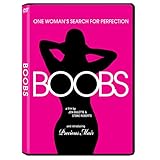
'Boobs' DVD: A Model Quest to Go From "B" Flat to "D" lightful

Product Details
The aptly titled film "Boobs,"which documentary film distributor Garden Thieves Pictures is releasing on DVD EXCLUSIVELY THROUGH AMAZON and VOD on October 14 2014, is a tough one to analysis.

The following clip, courtesy of YouTube, of the spoiler-laden trailer for "Boobs" both introduces the audience to the subject of the film and shows that it could have easily been a Showtime network reality show.


On one level, "Boobs" subject Precious Muir is likable. Further, her story of  moving from London to New York to pursue a modeling career is interesting. Additionally, Muir's Kevin Federline style boyfriend contributes to the entertainment value of the film. One expects him to actually start drooling when discussing Muir's plans.

On a more superficial level, Muir's self-centered quest for breast implants (regarding which one can speculate that the film's producers directly or indirectly financed) is hardly comparable to a struggle to beat cancer or even to undergo plastic surgery to correct a genuine physical deformity.

It additionally is tough to feel sorry for the 20-something Muir regarding her having enviable success as a model for teen clothing but wanting to break into modeling adult clothes and posing for "Playboy." Her planned saline solution (of course, pun intended) makes sense but would hardly inspire any form of ice bucket challenge (but might have prompted a wet t-shirt contest.)

Additionally, the manner in which the surgery does not net the desired results is not very tragic. One feels sorry for the angst and distress that it causes Muir, but she hardly is in any condition that should even prevent her going out and about.

At the same time, the desire of Muir to undergo the surgery and her distress following that procedure provides a wonderful example of both the narcissism of our society and the enormous value placed on what is considered a physical ideal even it is artificially achieved at high monetary, emotional, and physical costs.

The only thing that remains to be shared regarding "Boobs" is that it is a great film for fans of reality show style productions and/or films in which the female star is topless throughout roughly 50 percent of the film.

Anyone with questions or comments regarding "Boobs" is welcome to email me; you can also connect on Twitter via @tvdvdguy.


Monday, October 13, 2014

'The Bowery Boys' V4 DVD: The Boys Are Back in Town

Bowery Boys: Volume Four
Warner Archive shows particular love regarding classic Hollywood fare in rounding out the DVD sets of classic Bowery Boy B-reel comedies with Volume 4, which includes the remaining 12 unreleased films featuring this troupe, in this series.

The primary premise, which receives several revisions during the 12 years that "Bowery" movies hit silver screens across America, is that tough but dim-witted "Slip" Mahoney and his absolutely moronic sidekick "Sach" lead a motley crew of street kids through adventures that range from amusing to hilarious.

The following clip, courtesy of YouTube, for the trailer for "Bowery Battalion" from Volume 4 includes a look at every terrific element of this film series. 


Typical catalysts for the ensuing hilarity involve the boys stumbling across criminal activity and/or trying to help an innocent (who often is blonde and busty). The needs of parental figures who are often in the background of the films also motivate some action.

As the Unreal TV review of Volume 2 of the "Bowery" sets states, Slip and Sach are more like Lenny and Squiggy from the classic sitcom "Laverne and Shirley" than comedy teams of the '40s and '50s. In fact, both Squiggy and Slip are highly prone to the malapropisms that comprise much of the humor associated with them.

Folks who are interested in learning more about the "Bowery" lore as asked to read the Unreal TV review of Volume 3 of this series.

Volume 4 starts with the 1946 release "Mr. Hex," which is the fourth "Bowery" film. This particularly hilarious one has the cowardly and lanky Shaggy-like Sach undergoing hypnotism to release the inner strength that he needs to win a boxing tournament. The motive for putting life and limb at risk is getting the prize money to help the platinum damsel in distress of the story.

"Hex" is also notable for being the second "Bowery" film to feature the regular character Gabe Moreno, who is a friend of the boys who is achieving success in life.

Gabe also plays a significant role in the 1948 pre "Rear Window" "Rear Window" style "Bowery" film "Trouble Makers." The boys witnessing a murder through their telescope prompts them to call well-respected rookie beat cop Gabe into action only to predictably discover on arriving at the scene of the crime that there is no evidence of the offense. This also predictably leads to jeopardizing the police career of Gabe.

It is equally predictable that meeting the daughter of the ultimately discovered murder victim provides some motivation for the homicide investigation of the boys.

Gabe miraculously goes from rookie cop to rookie sole practitioner attorney in two years because the 1950 entry "Triple Trouble" has him serving as the legal counsel for the boys regarding a false charge of a warehouse heist. (This is also the penultimate (or pendulum according to Slip) "Bowery" film in which Gabe appears.)

"Trouble" is notable for having more verbal (as opposed to slapstick) humor than many "Bowery" films. It additionally has a slightly more sophisticated (and arguably darker) plot than others in the series; a significant portion of this one has Slip and Sach spending time behind bars with hardened (no pun intended) criminals.

A handful of post Sach films in Volume Four have Sach taking the lead and teaming up with the largely straight man character "Duke." These boys are surrogate sons in the boarding house of maternal figure/police widow Mrs. Kelly. Queenie Smith, who brightly shines in the Unreal TV reviewed DVD release of the classic musical "Show Boat," does a great job as the equally sweet and feisty Kelly.

The 1956 "Bowery" entry "Fighting Trouble," which is the first film with Duke, is a strong one. The mission in this one is getting a photo of a gangster for a newspaper. Needless to say most (if not all) of the efforts of Sach to achieve this objective go hilariously awry.

Volume 4 and the "Bowery" series wind up with the 1958 movie "In the Money." Sach takes center stage even more than usual in this tale (pun intended) of his taking a well-paid job as a dog sitter that involves him being an unwitting dupe for a gang of jewel thieves.

"Money" does not provide much of a "shot" but decently represents the "Bowery" style. The fact that the boys are down to a quartet is another indication that ending the series made sense.

The final concussion (thanks, Slip) regarding this "Bowery" set is that, aside from allowing collectors to complete their collection of these films, it is a nice piece of nostalgia for baby boomers who watched these films during theatrical Saturday matinees, Gen Xers who watched them on UHF stations over the weekends, and millenials who discovered them on TCM. It seems that the next generation will catch them on the streaming services that ultimately will snuff cable television.

Anyone with questions or comments regarding any "Bowery" set is welcome to email me. You can also connect on Twitter via @tvdvdguy.


Sunday, October 12, 2014

'Corpus Christi: Playing With Redemption' DVD: On and Off-Stage Drama Surrounding Depicting Jesus as Modern Day Gay Man

Corpus Christi
Breaking Glass Pictures, which is giving fellow Philadelphia-based LGBT home-video distribution company TLA Releasing a run for its money, continues expanding the range of queer cinema that  it puts out in making "Corpus Christi: Playing with Redemption" available on DVD and VOD on October 14 2014. This documentary awesomely discusses both the controversy surrounding the Terrence McNally play "Corpus Christi" and how that controversy and the theme in the play that Jesus is a modern-day gay man bonds the casts of that work.

The following clip, courtesy of YouTube, of the Glass promo. for the release includes scenes that terrifically provide a sense of the protest-related frenzy, the "passion" behind the play, and "Corpus" itself.


A significant portion of "Redemption" involves McNally and members of his original cast sharing stories of the intense protests and threats of violence associated with news of plans to produce the play off-Broadway in 1998. Having television god (and controversial figure) Norman Lear discuss his involvement with the campaign to counter the protests is a terrific bonus.

Some of the best moments involve McNally discussing his inspirations for the title of the play and the style of Jesus and his apostles. These show that high art can have humble origins.

"Redemption" additionally focuses on a revival of "Corpus" that includes a production deep in the heart of Texas. Folks who share the expressed sentiment of one "Corpus" cast member that the Lone Star State really is not part of the United States can understand the negative reaction of many Texans on learning of the plans to bring the play into their community.

Great humor relates to bubbas referring to "keister" sex and otherwise ignoring the advice of Mark Twain that it is better to remain silent and be believed to be ignorant than to open your mouth and remove all doubt. Other evidence of this relates to protestors getting hot and bothered without either seeing the play or reading the script.

Other good humor relates to footage from "Corpus" itself in which Jesus politely counters the arguments of characters who quote the Bible in support of their condemnation of homosexual acts. A related cute moment has Jesus conducting a same-sex marriage ceremony.

For their part, cast members go beyond discussing the importance of the play to sharing personal conflicts regarding wanting to be part of a church community but both disliking the current messages of hating and being made to feel unwelcome.

The best way to sum all this up is that the entertaining and informative "Redemption" shows how "Corpus" hits the trifecta of controversy by combining elements of sex, religion, and politics. It simply is a shame that the Catholics who genuinely believe that "Corpus" and productions like it blaspheme their religion seemingly forget about the historical eras in which Catholics were on the wrong end of this type of violent and mean-spirited prejudice.

The plethora of special features includes scenes from "Christi" itself and backstage footage.

Anyone with questions or comments regarding "Redemption" is welcome to email me; you can also connect on Twitter via @tvdvdguy.


Saturday, October 11, 2014

'America the Beautiful 3: The Sexualization of Our Youth': Honey Boo Boo Takes Center Stage


The documentary "America the Beautiful 3: The Sexualization of Our Youth," which is being theatrically released nationwide, is the third in a trilogy of documentaries by writer/producer/director Darryl Roberts. (There is no information regarding whether Roberts also provides craft services and does the makeup.)

These films focus on the harmful effects of the American obsession with beauty. The first one explores the overall quest for physical perfection, and the second explores eating disorders that are associated with efforts to maintain an unhealthy weight.

The following clip, courtesy of YouTube, of the trailer for "Beautiful," provides an excellent sense of  the message that Roberts is conveying. It clearly shows that kids who should be emulating Dick and Jane act more like Miley and Robin.


"Sexualization," which turns its lens on the current trend to make children seem alluring years before the appropriate time for doing so, is especially relevant considering the current child molestation scandal surrounding actor Stephen Collins. The scope regarding this topic includes "Toddlers and Tiaras" style beauty contests for elementary-school age and younger girls and sexually suggestive advertising that features pre and barely pubescent models.

Other related topics include segments on clothing retailer Abercrombie and Fitch selling thongs and other adult-oriented "unmentionables" in child sizes and on girls becoming sexually active at arguably too young an age.

Roberts and his panel of talking heads who are experts in their fields do a good job with these topics. They provide a reasonable context regarding the subjects and illustrate their points well with very apt examples from pageants, advertisements, and interviews with girls.

Roberts additionally makes an excellent point regarding children as young as five engaging in mild to hard-core sexual activity being a new trend that arguably reflects the increasing Lolitazation of our society.

The serious flaw with "Beautiful" is that, like the recently reviewed documentary on legalization of marijuana "The Culture High," Roberts casts far too broad of a net.

A HUGE percentage of the virtually countless topics in this roughly 105-minute documentary have little or nothing to do with sexualizing young girls. These extraneous topics include reports on the prevalence of sexual assaults on college campuses, bullying, and a general condemnation of online pornography.

The extraneous topics validly concern affected individuals but have nothing to do with sexualizing young girls. In fact, most of the discussed topics involve women who are at least 18 years old.

Additionally, the criticized behavior predates sexualizing young girls by a century or more. Rape is a horrible crime with a very long history, anyone with a perceived flaw is always at risk of mistreatment by a "stronger" individual, and any "art" form includes a subset of sexually explicit images.

It is equally fair to say that boys (and girls) whose adolescence predates widespread Internet usage have a history of looking through publications that range from lingerie catalogs to adult-oriented periodicals and/or "stag" films or merely enjoying suggestive content in mainstream television or films a little too much. Additionally, the prevalence of such use seems to average out to the same amount over the years.

In other words, viewing pornography is just boys being boys (and girls being girls) in a manner that is healthy as long as it does not trigger harmful effects. Criticizing this activity based on the folks who develop problems related to it is akin to a hypothetical campaign to ban selling ice cream on the grounds that that treat is too tempting for the small percentage of folks who binge on it.

One element of the bullying segment deserves special notice for being absurd on any level. It centers around the successful protest by a teen intern on "Beautiful" regarding a statement by Abercrombie and Fitch that indicates that the company intends that only "cool" kids wear its clothing.

Aside from the lack of ANY indication that clerks at Fitch store are even more discourteous to customers that do not fit the asserted mold than they are to the popular set, it is difficult to imagine how a broad corporate statement can be considered bullying. Even a single individualized communication to an "outsider" that he or she is not welcome at a Fitch store or is asked to stop wearing clothes from that company would make at least an arguable case for the campaign.

If anything, the intern bullies the corporation into issuing an apology for doing no more than showing less sensitivity than many people desire.

Further, the vast majority of us already purchase clothes that reflect our lifestyle and personality but do not experience discrimination if choosing to purchase a garment that does not fit that model (puns intended).

Anyone with questions or comments regarding "Beautiful" is welcome to email me; you can also connect on Twitter via @tvdvdguy.


Friday, October 10, 2014

'The Culture High' Theatrical and VOD Release: The High Cost of Chronic Marijuana Regulation

Product Details
A disclaimer regarding this review of the documentary "The Culture High," which Entertainment One Films is releasing theatrically and on VOD on October 17 2014, is that '50s sitcom "Father Knows Best" star Billy Gray once laughed and commented while discussing his marijuana use with your (often humble) reviewer  "you don't smoke, do you." Said reviewer will only admit to finding the kitchen witch in a high school friend's house ridiculously hilarious on one occasion and refusing to go up to see his own mother while home during a college break on a second occasion.

Advice regarding seeing this film on the costs of the drug war and other reasons for legalizing marijuana is that you stock up on snacks on arriving at the theater to avoid finding that they are sold out.

The first spoiler regarding "Culture" is that views regarding the legalizing marijuana are so entrenched in the minds of folks for and against it that it seems unlikely that the "facts" that this film presents will convince many people who disfavor legalization to change their minds. The second spoiler is that the film does not completely succeed in achieving the twin goals of a documentary to inform and entertain.

The following clip, courtesy of YouTube, of a promo for "Culture" concisely presents the thesis of the film and provides a look at the well-known and lesser-known folks who share their opinions and knowledge in the film.


Keeping the observation of Gray in mind, "Culture" reflects the truism that propaganda that supports your view is still propaganda. A similar fact is that there is your story, the story of the other guy, and the truth.

One must also remember that statistics can be manipulated to support any argument. An example from "Culture" is that presented statistics show that the same percentages of white people and black people ingest marijuana but that the incarceration rate of the latter is between four and eight times higher than the rate of the former. That finding does not reflect the fact that the (arguably skewed) incarceration rate reflects sentences for a wide range of offenses other than those related to marijuana.

The element of propaganda is much more prevalent and commences with the opening scene of "Culture." This footage of law-enforcement officials gathering at the front door of a home in final preparation for a drug raid is very reminiscent of the opening segment in the Michael Moore uber-uber-uber-uber propaganda "documentary" "Capitalism."

The "Capitalism" scene shows a family huddled down in a darkened house awaiting a supposedly violent delivery of a foreclosure notice regarding which they equally supposedly did not receive the legally required extended period of notice.

The larger issue regarding the raid that "Culture" depicts is that the team that carries out the effort is acting on eight-day-old information. The fact that the team is acting on this (presumably reliable) report of significant drug activity does not make the heavy use of firepower from the start any more surprising than the fact that the raid does not reveal indications of such heavy use a week after receiving the underlying intel.

Similarly, well-known legalization advocate comedian Joe Rogan and the numerous other talking heads (no pun or disrespect intended) that participate in "Culture" almost exclusively refer to the criminalization of marijuana as "prohibition" in an openly acknowledged effort to compare it to the banning of alcohol in the 1920s. Very few (if any) people refer to laws that fall under the umbrella of "gun control" as firearms prohibition.

The topics in "Culture" include the standard arguments regarding comparing the harmful effects of marijuana and alcohol, the amount of money spent on the drug war, prison overcrowding, and arguably unduly harsh sentences for arguably minor drug offenses.

A discussion of DEA Administrator Michelle Leonhart is one of the most insightful and entertaining in "Culture." The (of course edited) footage of Leonhart supports the theory that the DEA does not properly understand the nature of the substances that it regulates.

The discussion of Leonhart being a reportedly conservative holdover from the "W" years seems irrelevant; the numerous gaffes of both "W" and Obama across the board show that incompetence is not limited to either party.

The filmmakers make another good point regarding how theoretically objective news organizations improperly select stories and how to present them based on financial considerations; a provided example of interrupting a "hard" news story for a "soft" one illustrates this point well. Going onto include a segment on a news story regarding footage of skydiving cats makes one wonder what the filmmakers were smoking while producing "Culture."

The filmmakers do a better job regarding the apparent conflict related to various degrees of  decriminalization of marijuana in some states and this substance still being illegal under federal law. This portion of the film includes good coverage of the topic of the extent to which the Obama administration is directing enforcement efforts at growers who are not violating state law.

A news story a couple of weeks ago about the federal laws causing marijuana growers in Maine to hesitate to seek law-enforcement assistance regarding a rash of robberies at their facilities demonstrates the aforementioned point of the filmmakers.

The bottom line regarding "Culture" and the drug war itself is that the aforementioned strong feelings on both sides and propaganda hinder establishing a proper drug policy.

A (fairly objective) fact is that the economy, viable threats to national security, the need for renewable energy sources, our literally crumbling infrastructure, and NUMEROUS other issues that DIRECTLY affect our well-being should receive far more attention from the feds and the states than the extent to which a "420 friendly" individual who indulges in his or her lifestyle despite knowing the degree to which it is legal is going to be called to task for that behavior.

Anyone who has questions or (civil) comments regarding "Culture" is welcome to email me. You can also connect on Twitter via @tvdvdguy.


Thursday, October 9, 2014

'The Deep Six' DVD: Awesome Story of Quaker Pacifist Ideals During Wartime

Deep Six, The
Warner Archive continues its oft weekly highlight of a star regarding a peck of DVD releases of Alan Ladd films several weeks ago that includes  the 1958 WWII era drama "The Deep Six". This celebration of Ladd also includes the Unreal TV reviewed release of the awesome western "The Big Land."

The terrific look of "Six" seems more like the '50s era in which it is filmed than the '40s era in which it is set but is terrific either way. The early scenes occur in a "Mad Men" style ad agency in which highly competent lady executive Susan Cahill, nicely played by Dianne Foster, enjoys a consensual (if not entirely fulfilling) personal relationship with the boss.

Susan soon falls in love with Ladd's Alec Austen, a very talented freelance artist and lapsed Quaker. The heating up of their relationship coinciding with the heating up of World War II results in Alec being forced to leave Susan behind to become a gunnery officer on a Navy ship. The lack of logic regarding having this artist serve as an artillery officer adds great "M*A*S*H" style humor to "Six."

Fun casting that is more apt for the Pacific Princess than the ship to which Alec is assigned includes having Efrem Zimbalist, Jr. of the '60s-'70s drama series "The F.B.I." play the laid-back bunkmate of Alec and William Bendix of scads of roles in classic films and the "The Life of Riley" sitcom play a stereotypical squid.


Shipboard concern that Alec's religious background will prevent him from fully doing his duty during a battle seems validated when Alec refuses to fire his weapon in an relatively early scene in "Six."

Much of the film predictably (but successfully) has Alec bonding with some shipmates and battling others. He additionally faces wartime challenges regarding his relationship with Susan. A reunion scene with her has some of the best humor, '50s style wholesomeness, and drama in "Six" in a neat roughly 15-minute bundle.

It is equally predictable that events throw Alec into another situation that requires that he either fight, flee, or become cannon fodder. The expertise of the folks at Warner regarding adding a twist to this standard development is what makes "Six" and films of its ilk classics.

This strong blend of action and substance make "Six" a Ten in terms of both Archive and war films.

Anyone with questions or comments regarding "Six" is strongly encouraged to email me; you can also connect on Twitter via @tvdvdguy.


Wednesday, October 8, 2014

'Space Station '76' DVD: Deep Space Hustle

Product Details
The wonderfully clever and groovy concept behind the 2104 scifi comedy "Space Station 76," which Sony recently released on DVD and VOD, is that a terrific cast plays highly dysfunctional mid-'70s stereotypes on the titular facility. Said station being decked out in an odd combination of '70s earth tones and Apple Store chic adds to the fun. Also, the purposefully low-budget special effects add a terrific "Star Wars: A New Hope" vibe to the film.

The following clip, courtesy of YouTube, of the trailer for the DVD release nicely shows both the style of satire in the film and the far out '70s decor and clothes.


Liv Tyler of the "The Lord of the Rings" trilogy and the current HBO series "The Leftovers"stars as newly arrived assistant captain Jessica Marlowe on the Omega 76 station under hilariously alcoholic and otherwise damaged Captain Glenn Terry. Patrick Wilson wonderfully rocks a 'stache and overall '70s look in the film.

Other cast members include Matt Bomer as Ted the station engineer and a typically effervescent and dreamy Jerry O'Connell as Steve.

The cast and concept of "Station" creates expectations that sadly are not met. '70s style personal drama and cheesy scifi have great comic potential but writer Jennifer Elise Cox, who plays Jan in the '90s "Brady Bunch" movies, and her fellow scribes simply do not properly blend their elements.

The opening scene in which an initial inability to identify the shuttle in which Jessica is arriving at the station seems to amusingly panic Glenn and in which a countdown ends in a funny comic bit makes one think that we are in for a film that is at least as good as the Mel Brooks comedy "Spaceballs." Unfortunately, with the exception of a few space-oriented bits that will elicit at least a smile and likely a chuckle, the space angle never really takes off (no pun intended). One keeps waiting for the menacing ship to appear, the crucial station function to begin malfunctioning, or another space-oriented threat to appear.

The parody of '70s-style personal drama succeeds better but seems more apt for a suburban neighborhood than a space station. Jessica easily could be the foxy new neighbor who develops an increasingly close relationship with the married Ted; the setting is extraneous regarding the frustration that Steve experiences regarding getting his professionally ambitious wife in an amorous mood in the period after giving birth, and Glenn is just like any other regional manager who struggles with horribly conflicted emotions.

Additionally, the climatic Christmas party seems like any other '70s-style fete, complete with previously repressed tears and recriminations.

The extras include a making-of feature, deleted scenes, and a gag reel. 

The epilog to this entry in the reviewer's log is that "Station" aims for the stars and gets stuck in the valley. This makes it a great film for fans of "Knot's Landing" and other suburban-based soaps but not so much for fans of quirky space fare such as "Buck Rogers in the 25th Century" or the unfairly failed sitcom "Quark."

Anyone with questions or comments regarding "Station" is welcome to email me; you can also connect on Twitter via @tvdvdguy.


Tuesday, October 7, 2014

'Spenser for Hire' S1 DVD: Macgyveresque Brainy Brawny Beantown Hero

Spenser For Hire(85-86)
The exceptional synergy between the '80s detective action-adventure series "Spenser for Hire" and Warner Archive makes one wonder why it took some years after Archive picked up the slack that former Warner vintage DVD division Rhino left before coming to the recent six-disc release of the 1985-86 first season of this three-season series.

The following clip, courtesy of You Tube, of the opening segment in the "Spenser" pilot provides a sense of both the Bostonness and '80s vibe of the series.


Having veteran TV hunk/tough guy Robert Urich play the titular private eye and Avery Brooks, who would go onto play Captain Benjamin Sisko on "Star Trek: Deep Space Nine," play the even tougher Hawk alone screams for this set being released in 2010 at the latest.

The theme of Spenser is that this MacGyver-like '80s style hero is highly educated and a gourmet cook. His more formal prior professions include boxer and police officer. He also shares the MacGyver characteristic of mostly being known solely by his last name.

Also like fellow ABC hero "Mac," the adventures in which Spenser engages commence either with a mission that he chooses to accept or through equally arguable being at the wrong place at the wrong time or the right place at the right time. Either way, this modern-day champion for goodness springs into action and almost always saves both the day and the "innocent" of the week.

The pilot, which Archive presents in its original two-hour TV-movie format, immediately sets the tone of "Spenser" by opening with a scene of the Boston subway system, known as either the MBTA or "T," that is vivid enough to evoke thoughts of the year-round humidity and stench of urine that still pervades many stations in that system.

Other favored Boston locales in the first season include Copley Square locations, the Faneuil Hall/Quincy Market area, and the especially historic North End that is home to some of the best ever Italian bakeries. (A note to tourists is that making "Fat Tony" jokes in that area is ill advised.)

The not-so-strong storyline behind that virtual tour of the subway system is Spenser attempting to help a former teen prostitute escape the clutches of crime boss King Powers, whom Chuck "The Rifleman" Connors plays in a wonderfully campy manner.

Spenser's heroics in that regard prompt Connors to unleash his "hounds," including Hawk, on our hero; the tactics of some of these hired guns is particularly cruel and senseless. In the case of Hawk, the experience transforms a relatively casual friendship into a beautiful one that becomes one of the best bromances in television history.

The better storyline, which is more typical of a "Spenser" episode,  involves a wealthy businessman hiring Spenser to find his missing wife. Spenser making it clear at the outset that he is willing to locate the absent spouse but will not divulge her location without her permission is an early illustration of the chivalrous code by which he lives.

Fairly predictably, the search of Spenser leads to intrigue that extends beyond the circumstances regarding the flight of the subject of his inquiry. This aspect of the episode has its own silly elements but makes for entertaining '80s style television.

Like many series, the first regular episode of "Spenser" better represents the series. The aspects of this includes having Spenser move into the former firehouse that serves as his home. The "Ghostbusters" element of living in a firehouse and the "Vegas," which is the series for which Urich arguably is best known, aspect of having Spenser park his car in his living space add great fun to the show.

This unusual residence additionally provides another "MacGyver" element in that that hero lives on a houseboat throughout most of the series.

The mission this time is protecting a witness whom the mob does not want to make it into the courtroom. Although not one of the strongest in the series, the primary twist is a creative one.

A latter episode combines the elements of Spenser stumbling onto a case and being hired to solve one. Our hero arriving on the scene in the midst of an apparent robbery leads to the cliched (but humorously presented) plot of the young sister of the victim hiring Spenser to get to the bottom of the matter. This one has an unexpected fun camp element that is too amusing to spoil.

The season ends with a wonderful episode that provides a slight change of pace in that it has Spenser entering full crusader mode to uncover the truth regarding a tragic accident at a public housing complex. The terrific noir elements, which includes government corruption and setting a patsy up for a fall, make this one stand out.

The solution to the mystery regarding the merits of "Spenser" S1 is that it is well worth viewing; seeing the late Robert Urich in one of his best roles, a pre-Sisko Avery Brooks do his best '70s style hardened enforcer act, and the copious scenes of a pre Big Dig Boston add to the stories that are at their best when sublime and their most amusing when they are ridiculous.

Anyone with questions or comments regarding "Spenser" is strongly encouraged to email me. You can also connect on Twitter via @tvdvdguy.


Sunday, October 5, 2014

'Another Dawn' DVD: (Errol) Flynn of Arabia

Another Dawn (1937)
The 1937 Errol Flynn romantic adventure film "Another Dawn," which Warner Archive makes available on DVD evokes great thoughts of the franchise reviving television series "Star Trek: The Next Generation" that extend beyond Flynn's Captain Denny Roark being a bold and daring second-in-command military officer facing very choices in a hostile frontier environment. In this case, Roark is a British officer in the Saraha who contends with incredibly restless natives.

Roark is very much Riker to the Picard in the form of base commander Colonel John Wister, wonderfully played by veteran character actor Ian Hunter. TNG fans will revel in the professional relationship and friendship that these men share and will especially enjoy the very Picard-Riker style debates regarding which of them will rush off to face danger.

The following clip, courtesy of YouTube, of the theatrical trailer for "Dawn" is wonderful both as a perfect example of the style of the promos of that era and in conveying the romantic (if not adventure-related) aspects of the film.


While Roark and Wister provide the adventure, the romance-related drama relates to Wister returning from a leave with a doubtful new bride in tow. Julia Ashton Wister embarks on this new adventure in the manner of a good military wife within a few senses of that word.

Fans of classic '30s dramas can predict both that Julia and Denny fall in love but (possibly futilely) resist those feelings out of sense of duty and affection toward John. Of course, events in the film places great strains on those resolves.

Another thing that distinguishes "Dawn" from the fine company of '30s films of which it is a member is the nobility by all involved in the final moments of this compelling story. Both Roark and Wister demonstrate the attributes that make them great officers and even better men. One could only hope that either of them would be around if one found oneself in a literal or figurative foxhole.

Anyone with questions or comments regarding "Dawn" is encouraged to email me. You can also connect on Twitter via @tvdvdguy.

Saturday, October 4, 2014

'The Street' S3' DVD: Third Time's a Charm

Product Details
Although this installment in a series of posts on the BFS Entertainment DVD release of the 2006-2009 three series (my people call them seasons) British drama "The Street" comes shamefully long after a review of the first series and a discussion of the second series, the exceptional quality of the final episodes makes this wait worthwhile.


The terrifically simple "Street" concept is that it uses an anthology format to tell the stories of the families in a working-class Manchester England neighborhood. The trials and tribulations around which these stories revolve often involve both characters and storylines from previous episodes.

Well-known British stars who portray these ordinary blokes and their families include Timothy Spall, Bob Hoskins, Matt Smith, and Jim Broadbent.

Hoskins plays the titular pub owner in the simply titled S3 episode "Paddy." The especially compelling central dilemma in this one is how this small businessman can manage keeping both his dignity and body intact in the wake of a local small-time gangster directly threatening to severely pummel him if Paddy does not reverse a valid decision to ban the son of the gangster from the pub.

Much of the discussion-worthy drama in this episode extends beyond the issues related to the street cred of both Paddy and the gangster to the former asking his loyal customers/friends to choose between taking on the gangster on his behalf and incurring both the wrath of said criminal and losing his patronage.

The cross-episode elements in this one include Spall's Eddie being among those willing to side with Paddy. The misfortune-prone Eddie is the center of several prior episodes, which include one in which presenting a false front costs him a great deal on a few levels and ends with a horrible humiliation.

The second S3 episode is equally compelling; this one has uber-dedicated single mother Dee, who has a huge secret, fending off the genuine affections of a loving and attractive man.

A similar S3 episode has highly bigoted chef Kieran, who can give Gordon Ramsay a run for his money regarding verbal nastiness, struggling to keep numerous secrets from his new Polish girlfriend. The subterfuge includes his intense hatred of Polish people and the fact that he does not commit a heroic act for which he accepts credit.

The series (and series) finale terrifically ends with an exceptional Eddie episode that touches on prior episodes that center around Eddie and brings back Hoskins as Paddy in a subplot that relates back to the S3 premiere episode.

The final analysis of this third stage of "urban development" is that it is very clear that series creator (and frequent episode writer) Jimmy McGovern goes out on top. Having this street effectively named after him is the greatest honor that he can receive.

Anyone with questions or comments regarding "Street" is strongly encouraged to email me; you can also connect on Twitter via @tvdvdguy.


Friday, October 3, 2014

'Enchantment' DVD: A Tale of a Two-Story House

Enchantment
The Warner Archive DVD release of the 1948 David Niven romantic drama "Enchantment" makes a great companion to the recently released (and reviewed) "Raffles" double feature that includes a 1939 Niven version of that film. Both movies highlight the urbane charm for which Nivens is known.

"Enchantment" aptly opens with narration by the posh London home of the Dane family; this structure tells of the Victorian era arrival of newly orphaned Lark Ingoldsby. This addition to the family prompts immediate jealous in oldest child (and future spinster) Selina Dane, romantic feelings on the part of (future Sir) Roland Dane, and overall indifference by brother Rollo Dane.

In true Dickensian style, Selina thwarts the romance between Roland, whom Niven portrays very well, and Lark. This creates a lifetime resentment on the part of Roland.

History demonstrates a probability of repeating itself several decades later when retired military officer Roland, who moves back in after the departure of Selina, finds 20-something American Grizel Dane at his doorstep during the WWII era. Grizel is the granddaughter of Rollo.

Ala Lark (but under less traumatic circumstances), Grizel moves in. The next visitor with a link to the Dane home is current Canadian military officer Pax Masterson. Hitchcock and "The Love Boat" veteran Farley Granger doers a great job in the role of the dreamy Masterson.

Like the Roland/Lark romance, the Grizel/Pax courtship hits snags that intensifies the feelings that the recent events have evoked within Roland.

The well-presented dramatic conclusion of "Enchantment" is pure Warner Brothers but presents a very realistic of romance during the Blitz.

The (hopefully) well-presented conclusion of this review is that "Enchantment" lives up to its name in that it is a delightful film about romance in two particularly notable historic eras.

Anyone with questions or comments regarding "Enchantment" is encouraged to email me; you can also connect on Twitter via @tvdvdguy.


Thursday, October 2, 2014

'For Those in Peril' L.A. Premiere: BAFTA Winning Scottish Tale of Loss and Sea-based Superstition

film-peril
The October 3, 2014 premiere of the well-produced 2013 Scottish film "For Those in Peril" at the Arena Cinema in Los Angeles will both provide a chance to see this equally dramatic and haunting film and to make a plethora of Groundskeeper Willie and Scottish independence jokes. It seems as well that Random Media is releasing the "Peril" a week later on DVD.

The numerous accolades for this film about an outcast who survives a mysterious accident aboard a commercial fishing boat becoming even more ostracized in the wake (no pun intended) of the incident include the Critic's Week Grand Prize at the Cannes Film Festival and the 2013 Scotland BAFTA award for Best Feature Film.


"Peril" central character Aaron is a shy and quirky but very pleasant late teens lad in a small Scottish fishing village who becomes the scapegoat for the aforementioned tragedy. A small part of the blame is based on wild speculation and the rest is based on Aaron not being like the other boys resulting in bringing bad luck on the boat.

For his part, Aaron attributes the event to the devil in the sea essentially swallowing the boat and crew. Aaron additionally believes that said evil entity is holding Aaron's brother Michael, who is among the victims of the accident, captive under the sea and that Aaron can rescue him.

Terrific flashbacks depict the close bond that Aaron and Michael share. More eerie hallucinatory scenes show the audience the inner workings of Aaron's increasingly unstable mind.

Other compelling scenes show the open scorn that villagers of all ages feel toward Aaron. These include a cliched but well presented scene in which an unwitting Aaron asks the father of a deceased crew member about the prospects of working on another ship.

"Peril" additionally is notable for having Aaron develop an increasingly close relationship with the significant other of Michael. These scenes evoke thoughts of the ancient tradition of a brother essentially inheriting the widow of a deceased brother.

All of this adds to either a chance to spend an evening out watching a film with much more substance and quality than the typical Hollywood fare or to later enjoy this atmospheric film on DVD.

Anyone with questions regarding "Peril" is strongly encouraged to either email me or connect on Twitter via @tvdvdguy.


Wednesday, October 1, 2014

'Out of the Past' BD: Robert Mitchum Experiences Deja Vu All Over Again

Out Of The Past (BD)
Warner Archive show its typical good instincts regarding releasing the 1947 black-and-white Robert Mitchum noir film "Out of the Past" on Blu-ray despite this movie not being produced in hi-definition. The excellent use of contrasts that make "Past" and other black-and-white classics (most notably "Citizen Kane") so special looks terrific in the enhanced Blu-ray format. Further, the exceptionally crisp sound that Blu-ray offers really adds to this film.

Archive offers film buffs another treat in having film noir expert James Ursini provide the commentary; although not listened to, these remarks are almost certainly more insightful than the insipid comments that are typical of actor's commentary. Only getting Robert Osborne to do the commentary would have been better.

The following clip, courtesy of YouTube, of a scene from "Past" perfectly illustrates the tough-guy talk and the artistic use of shadows that are strong elements of the appeal of this classic.

Mitchum plays a small-town gas station owner who (perhaps inspired by the 1947 classic film "Its a Wonderful Life") now goes by the name Jeff Bailey, who is keeping a low-profile in the wake of running afoul of the gangster who formerly employed him.

The very condensed version of this back story is that said mobster Whit, expertly played by Kirk Douglas, puts Jeff on the trail of a dame who done Whit wrong. The events from this portion of story include one of the best ever cut-away implied sex scenes.

The ensuing complication relates to Jeff earning a place on the enemies list of  Whit. Jeff subsequently evades facing the consequences of his betrayal until a "colleague" drives into his station.

New noir-style drama ensues when Whit coerces Jeff into participating in a caper. Suffice to say that the related events validate the noir principles that the past never remains in the past and that no one can be trusted.

The distinctions regarding "Past" that warrant the Archive release extend beyond the exceptional story and performances. Having director Jacques Tourneur, who is best known for the 1942 version of "Cat People" at the helm contributes to this film being a genuine work of art.

Anyone with questions or comments regarding "Past" is welcome to email me. You can also connect on Twitter via @tvdvdguy.